
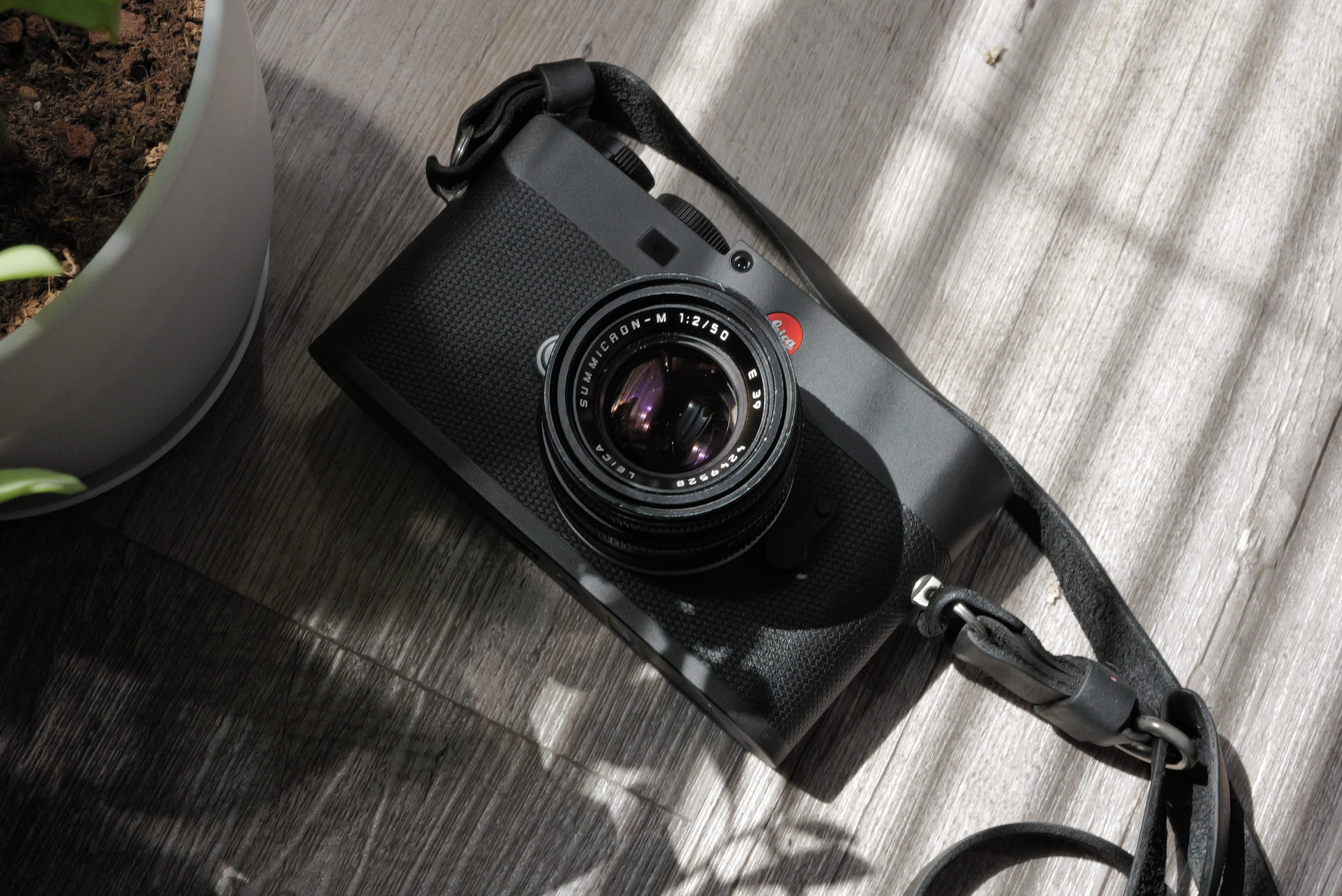
I’ve spent most of my adult life looking through Leica rangefinders. An M4-2. M7. M8. M9. M-A. M10. M11-P. Film and digital. My eye learned the habits of the M system so completely that I stopped noticing them. The parallax, the split-image patch, reading a meter and imagining what the photograph would become. None of it felt like compromise anymore. It simply felt like seeing.
The M EV1 changes that.
People keep asking whether removing the rangefinder means it isn’t really an M anymore. A few weeks into using the camera, I was at this festival and asked a young photographer carrying an M6 Classic the same question.
“Is this an M.” Showing him the M EV1. Without missing a beat, he answered,
“Does it take M lenses? Then it’s an M.”
It was curious. Like how he said it. The M has always been defined as much by its lenses and the way photographers work with them as by the mechanism used to focus them. Even if the M means the German word for rangefinder.
Here’s what that actually means, mechanically. A 60-megapixel BSI sensor with Leica’s Triple Resolution Technology, so a file can come out at 60, 36, or 18 megapixels depending on what the picture actually needs. A 5.76-million-dot OLED electronic viewfinder in place of the rangefinder window, the same generation electronic viewfinder Leica put in the Q3. Two steps of digital zoom, 1.3x and 1.8x, that crop the frame live in the viewfinder to preview what a longer lens would see, reversible if you’re shooting DNG, permanent if you’re shooting JPEG. Focus peaking and magnification standing in for the rangefinder patch. And the ISO dial that has sat on the shoulder of every M11 and M11-P is gone. The electronic viewfinder needs that space now. ISO lives in the quick menu, on Auto, or wherever you assign it on the thumb wheel.
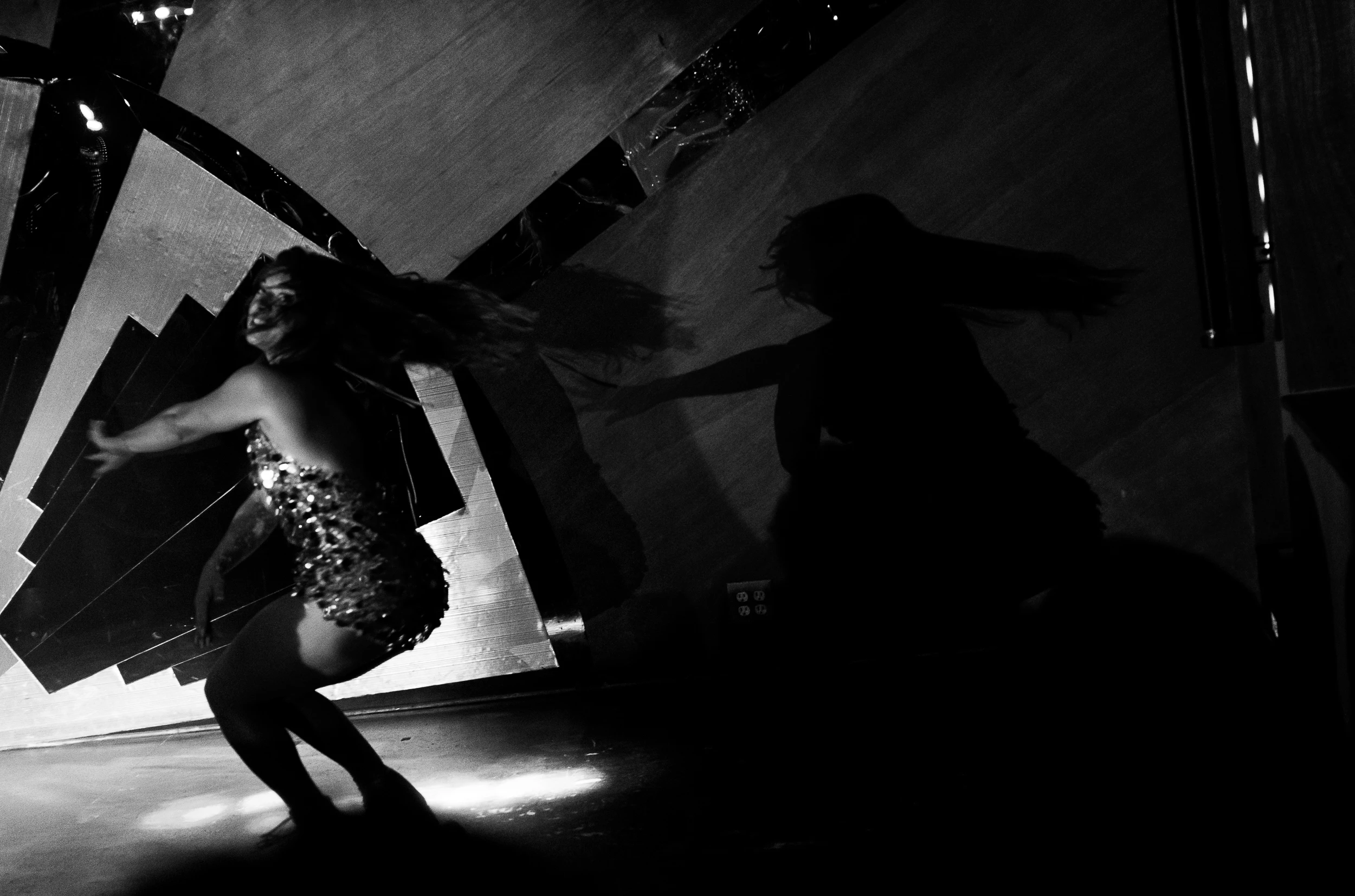
I have been shooting the M EV1 almost exclusively with a very base selection of lenses. Leica’s current 28mm, 35mm and 50mm Summicrons, alongside several screw-mount classics, and one Leica R zoom from the 1970s. I made it a point not to use the things that would make it hard to justify. No Noctilux lenses. No APO lenses. I wasn’t interested in proving an electronic viewfinder could focus exotic glass. Everyone already knows it can. I wanted to know whether it changed the photography I make.
It did. Not where I expected. The biggest difference wasn’t focus.
At 28mm I rarely used focus peaking. Most of the time I turned it off completely. A Summicron stopped down for documentary work already gives enough depth of field that the lens is doing most of the work. I found myself zone focusing exactly as I always have.
What changed was exposure. Every Leica M before this asks you to translate. The meter gives you information. Experience tells you what that information means. Years of shooting teach you how much detail survives in a bright window, how far a shadow can fall before it closes, how much highlight you can sacrifice to protect a face. The EV1 removes that layer of interpretation.
Turn the aperture ring and the photograph changes immediately. Slow the shutter and the shadows open before the picture is made. The relationship between light and image becomes direct instead of interpretive.
Mirrorless cameras like the SL3 have done this for years. The revelation is what it feels like inside an M.
For seventy years Leica rangefinders asked photographers to trust experience. The EV1 keeps that experience but removes much of the guesswork. I caught myself correcting exposure before pressing the shutter. Did I suddenly become a better photographer? No, but I could finally see what I had spent decades imagining.
Portraits changed too.
Every rangefinder photographer learns to frame a little loose. The rangefinder has this thing called parallax correction. It is ingenious, but it is still an approximation. At close distances, experience teaches you to leave yourself a margin around the frame.
The EV1 removes the problem.
Hairline. Chin. Shoulder. The edge of the photograph is exactly where you placed it. After decades of unconsciously compensating for the mechanical triangulation system, that precision feels strangely liberating.


Garry Winogrand argued that rangefinders excelled at normal focal lengths because they kept photographers connected to the world rather than trapping them inside a finished-looking picture. He trusted scale focusing and depth-of-field markings more than careful composition.
The EV1 hasn’t changed any of that.
The engraved depth-of-field scales are still on my Summicrons. The focus tab still falls naturally beneath my finger. I still preset focus before the camera reaches my eye. Zone focus remains zone focus.
The difference is that when I do look through the viewfinder, I’m finally looking through the lens itself. It doesn’t replace one way of working with another. It makes a way of seeing that I already know clearer to the way a photographer thinks.
The Q3 is the M EV1’s closest sibling. I own one. I like it. Its autofocus is exceptional. It also reminds me why I still carry an M. My favorite M lens is a Summicron-M 28/2 ASPH II. The Q is 28 too with autofocus, but not that lens.
Autofocus is an answer. Manual focus is a decision.
The optics on a manual lens are smaller, no less precise. You can feel the focus pull you toward the subject unlike any focus by machine or wire as it is called.
A helicoid beneath my fingers still feels fundamentally different from waiting for a camera to confirm what it thinks I intended. The EV1 didn’t make the M feel more like a Q. If anything, it clarified why they remain completely different cameras despite sharing an electronic viewfinder.
But I understand why a Q3 owner would look at this camera and pay attention. The Q3 already taught a generation of Leica shooters to trust a live, WYSIWYG (What You See Is What You Get) exposure preview and a real electronic viewfinder instead of an optical window. It runs the same 60-megapixel sensor lineage as the EV1. It even has its own version of that digital zoom, crop steps that simulate 35mm, 50mm, 75mm, and 90mm framings out of one fixed 28. The EV1 speaks that exact language already. What it adds is the one thing a fixed lens never can: the mount. A Q3 shooter who picks up an EV1 isn’t learning a new way to see. They’re learning that the same way of seeing now comes with seventy years of glass attached to it, a 28 or a 35 or a 50 that isn’t the one the factory chose for them. That, more than any spec on this page, is the actual jump from one camera to the other.

Which gets me to the real story. The lenses.
When I mounted a vintage screw-mount lens or a modern Summicron, I stopped thinking about resolution charts, or special lens coatings and started thinking about seeing the character in real time.
That same viewfinder wasn’t showing tech specifications, unless I want that with focus aids and histograms and exposure data. It was showing how each lens interpreted light.
That felt significant.
Photography has existed in one form or another for nearly two centuries, and the desire to project light onto a surface to draw a scene stretches back to the camera obscura. Ironically, the EV1 reminds me less of digital photography than of ground glass or a direct view through the lens. The rangefinder experience maintains because of the depth of field indicators on the lenses, that is still there. The shutter is in the same place. ISO has moved to where I want it (I used the thumb wheel, your experience may vary). I can still evaluate the scene and set everything as any M, now I know what I am getting right away through the EVF. Simple. Brilliantly.
One of the reasons I continue to shoot Leica is that one-hundred years of optical history still fit into one camera bag. A modern Summicron. A collapsible Elmar from 1957. A Summitar. A pre-war Summar. All of them mount to the same body. All of them focus, there is no missed focus or adjustment to be made at the mechanical level. More importantly, I know what I am getting without accessorizing the body further with an external Visoflex. The EV1 may be the first M that lets me evaluate every one of them through exactly the same viewing system. That feels historically significant.
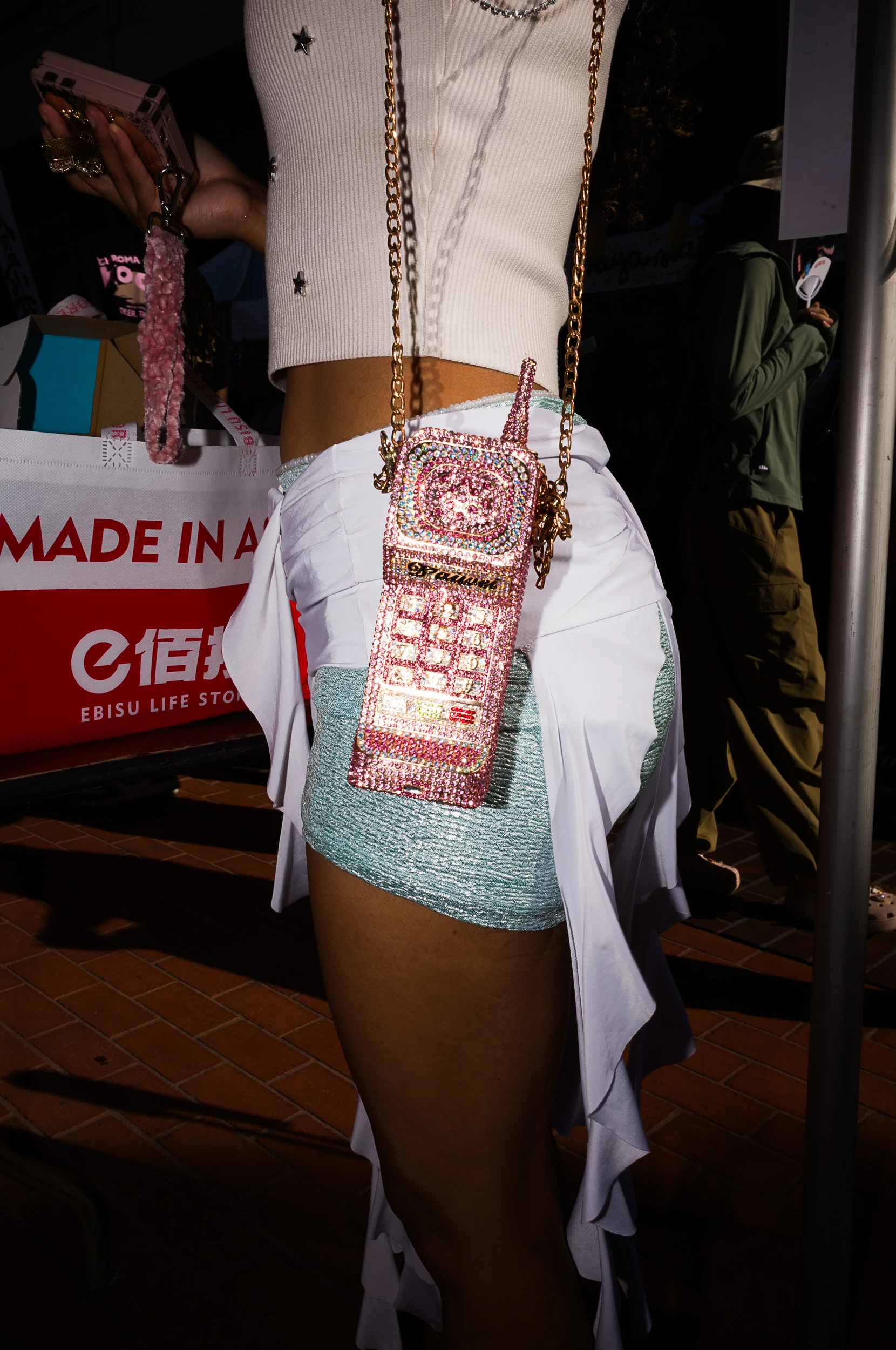
Exposure is another thing that hit me. It also reminded me some time I spent with William Eggleston. Color asks different questions than black and white when it comes to light.
Years ago, when I interviewed Egg, he casually picked up my M10 and 35mm Summicron ASPH and turned it over in his hands with the ease of someone who had used versions of that lens and body combo for decades but never a digital body. He wasn’t interested in the camera as an object. He trusted it enough not to think about it.
What interested him was light, his apartment in Memphis was filled with color bulbs and lights from shop lights to Christmas lights to party lights and red bulbs from darkrooms. Or more precisely, Eggleston was interested in how light would become a photograph. Then from there any tool that can get us there was fine with him.
For the first time in Leica history, I can judge color relationships and exposure through an M without external accessories or checking the rear screen after the fact. That is a profound shift.
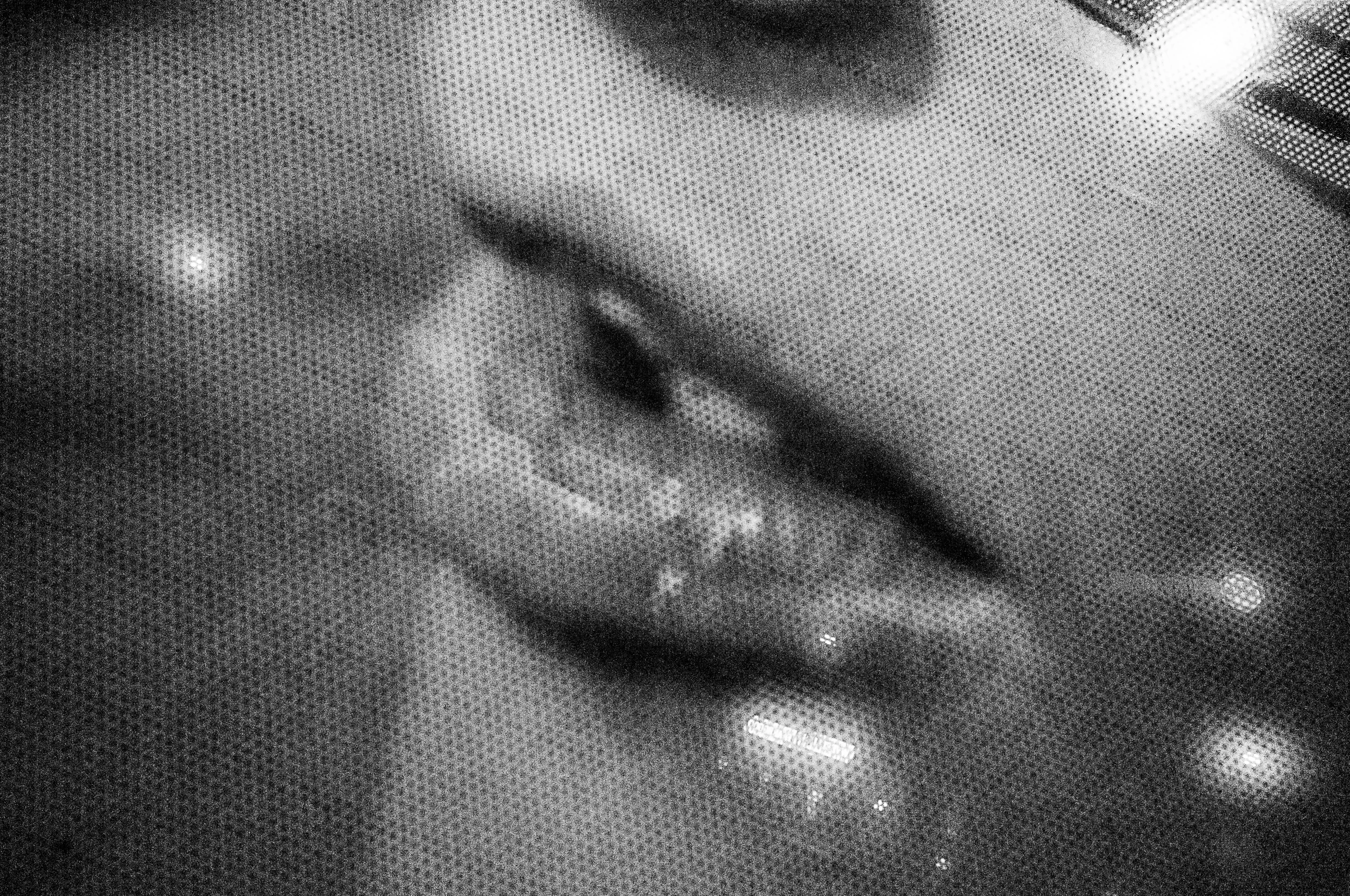
Some argue an M isn’t an M without a rangefinder. History suggests otherwise. Leica has removed the rangefinder before. The M1 had the window but was uncoupled. The MD and the MDa are closer in visual DNA to the M EV1 with no rangefinder at all and a smooth metal over the area where it would be. Even earlier, the original Leica I of 1925 had no built-in rangefinder at all. That didn’t arrive until the Leica II in 1932. For years photographers estimated distance, measured it externally, or relied on scale focus. As I said, those are all still right there on the body and lenses. Now we have something else.
The EV1 isn’t abandoning a Leica tradition. It’s continuing it in the most modern way. Instead of replacing M lenses or manual photography, it replaces one viewing system with another that simply contains more information.
And that has never happened before in the history of the M.
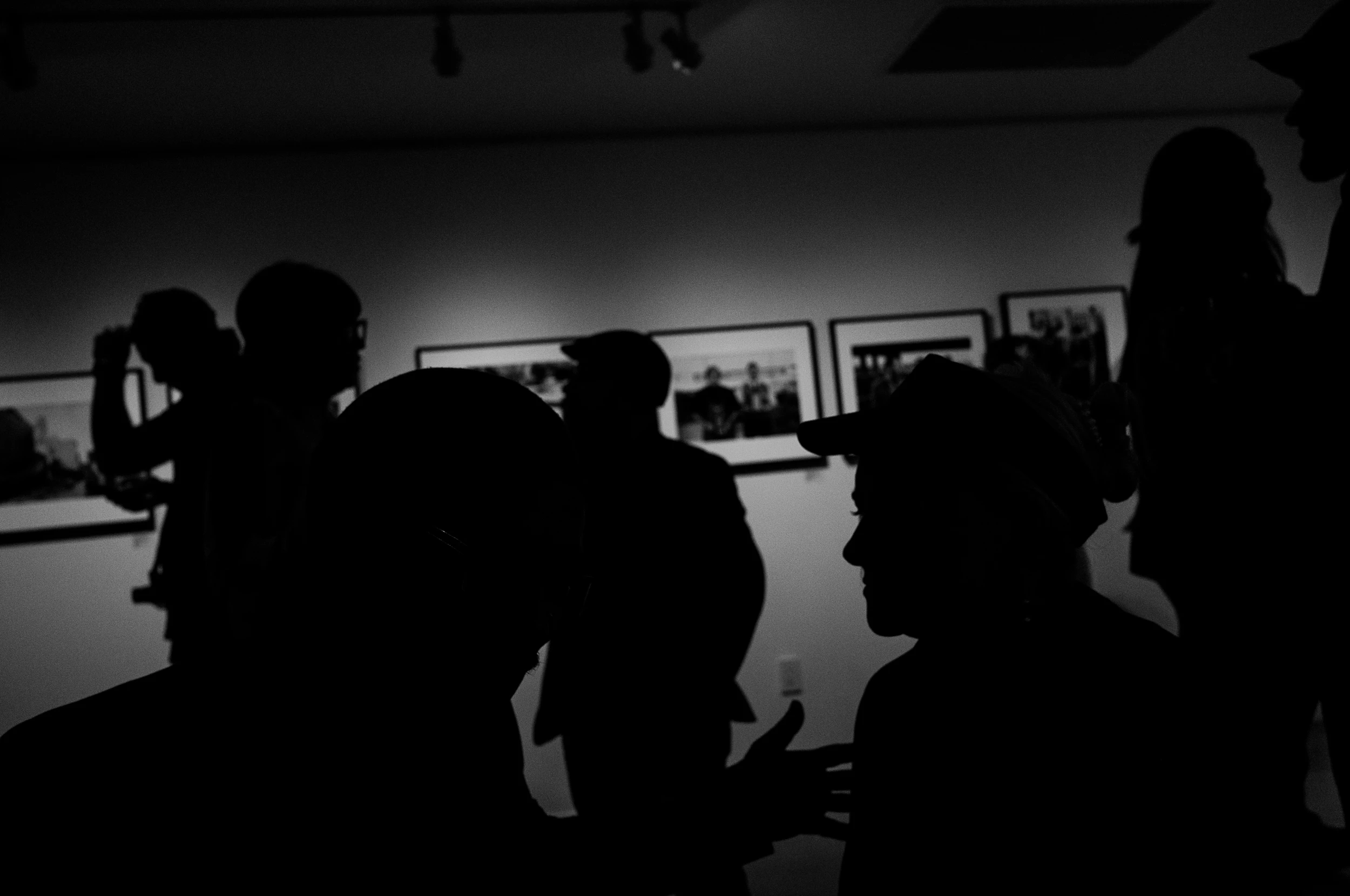
The strongest compliment I can give the EV1 is that after a few days I stopped thinking about the electronic finder entirely. The shutter still sounded like an M. My left hand still found the focus tab without looking. The aperture ring still clicked into place with familiar certainty. I could still prepare the camera before switching it on. The camera disappeared.
That’s exactly what every great Leica eventually does. I’ll keep carrying my M4-2 because there is a discipline in working without a meter that I never want to lose. I’ll keep carrying my M11-P because it remains one of the finest digital rangefinders Leica has ever built.
The EV1 doesn’t replace either of them. It expands what an M can be, it brings to the M what the Q is but with a century of Leica optics available right away (many without adapters.) I want to see what one-hundred years of Leica optics look like through a viewfinder that finally shows me the photograph instead of asking me to imagine it.

The EV1 doesn’t change the relationship between the lens and the world. It changes the relationship between the lens and my eye. After living with it, that turns out to be both the smallest and the biggest change Leica has ever made. However, the bottom line is simple.
The M EV1 is still an M.